Socrates Plato Quote on the Subject of Copying Others Art
What is art? The question that has been troubling the humanity for centuries. The nature of art has been described by philosopher Richard Wollheim as '1 of the virtually elusive of the traditional problems of human civilisation'. The definition of art is open, subjective and debatable. Throughout the history of art, artists themselves accept been pushing the boundaries of each definition and challenging our preconceptions. Every bit the concept of art has been changing through centuries, its purpose has been divers as to represent reality, communicate emotions or ideas, create a sense of beauty, explore the nature of perception, explore formal elements for their own sake, or only existence nonexistent. The office of art has been changing over time, acquiring more of an artful component here and a socio-educational function there. There is no agreement between philosophers, art historians and artists, and thus, we are left with so many definitions.
Since the ascent of the avant-garde, Western tradition has been evolving to the point where anything can exist presented as an art object, and where the role of the creative person is subject to multiple interpretations. In 1981, the German-built-in American art historian Peter Selz wrote: 'If one general statement tin exist made about the art of our times, it is that one by ane the old criteria of what a piece of work of art ought to be accept been discarded in favor of a dynamic arroyo in which everything is possible'.
Art As Mimesis
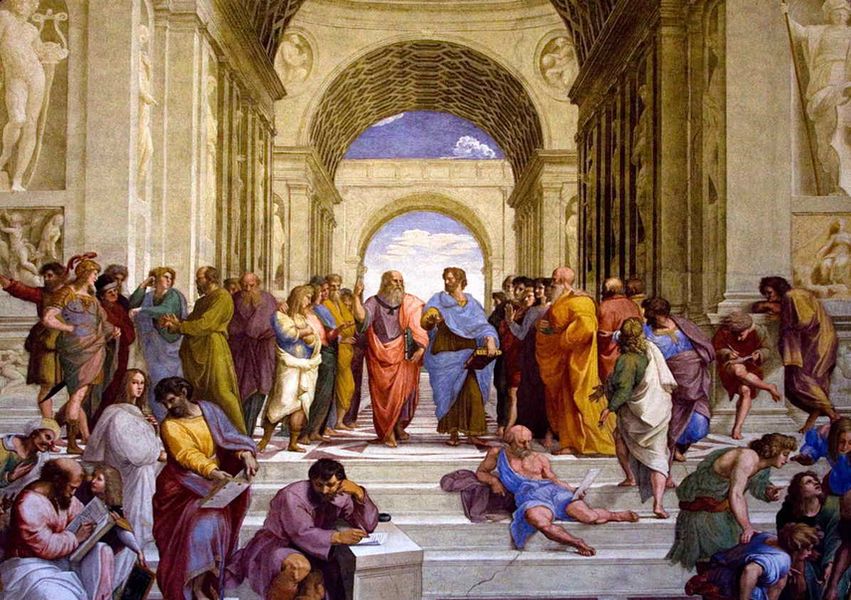
The idea of art as an false, that dominated throughout centuries of art history, dates dorsum to aboriginal Greece. Plato didn't await too fondly on art. Regarding all art forms as instances of 'mimesis' or imitation, he criticized them for failing to describe the eternal platonic realities that he referred to as 'forms' or 'ideas'. Since life itself was simply a mere and poor copy of perfect platonic forms, the fine art equally a copy of a copy was only a tertiary removal from the reality and truth. Similarly, Aristotle traces fine art back to the love of imitation and recognizing likenesses which characterizes humans. Only for him, art was not mere copying. As a realization in the external form of a true thought, art idealizes nature and completes its faults seeking to grasp the universal type in the individual phenomenon. 'The aim of art is to represent non the outward appearance of things, simply their inwards significance', Aristotle wrote.The theory of art as an imitation of beauty or nature was persistent throughout the history of art. In Lives of the Painters Renaissance painter and art historian Giorgio Vasari wrote 'painting is just the imitation of all the living things of nature with their colors and designs just as they are in nature'. It wasn't until the beginning of the 19th century and the rise of Romanticism that this idea started to fade away and much greater emphasis was placed on the expression of the artist's emotions.
Art As a Form of Expression
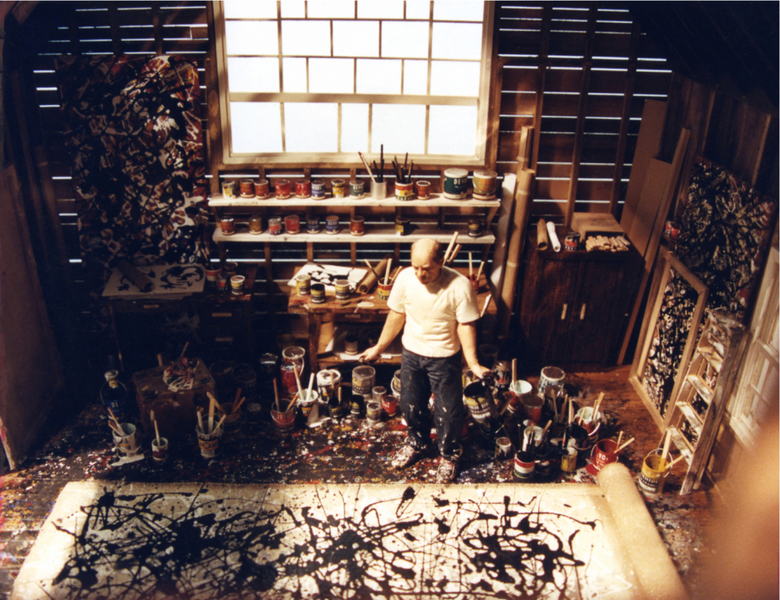
Built-in out of Romanticism, the expression theory of art defined information technology as the ways of portraying the unique and private emotions of artists. Tolstoy's definition of art in his piece What Is Art? was very much out of this mould: 'Fine art is a deed, consisting in this, that one person consciously, by certain external signs, conveys to others feelings he has experienced, and other people are afflicted past these feelings and live them over in themselves'. Argued that expression theory restricts artists to the expression of feelings and emotions, afterwards theorists emphasized that art tin limited non only feelings and emotion but also ideas. In 'Sentences of Conceptual Art' in Fine art and Its Significance, American artist Sol Le Witt stated: ' Ideas alone tin be works of art….All ideas need not be made physical.…A piece of work of art may be understood as a conductor from the creative person'south mind to the viewer's. Simply it may never reach the viewer, or it may never leave the creative person's mind'.
As a mode of expressing emotions and ideas, art is likewise a powerful ways of communication. Making an impact on the sensory perceptions of others, a work of art should arguably communicate creative person's emotions or feeling. Centuries before the expression theory, Leonardo da Vinci stated that 'art is the Queen of all sciences communicating knowledge to all generations of the world'. In the above-mentioned piece, Tolstoy wrote: 'To evoke in oneself a feeling one has experienced, and…then, past means of movements, lines, colors, sounds or forms expressed in words, and so to transmit that feeling—this is the activeness of fine art'.
Art and The Truth
Thinkers influenced by Martin Heidegger have interpreted fine art as the ways by which a customs develops for itself a medium for self-expression and interpretation. For Heidegger, art either manifests, articulates or reconfigures the style of a culture from within the world of that culture. In this sense, art is capable of revealing someone else's globe and producing a shared understanding. Much before Heidegger, Hegel thought fine art expresses the spirit of item cultures, as well equally that of individual artists and the general man spirit. Putting an emphasis on the historical development of ideas and of consciousness, he saw an artistic expression as a kind of a climax of the history of the human spirit that reveals the truth in an intuitive way.
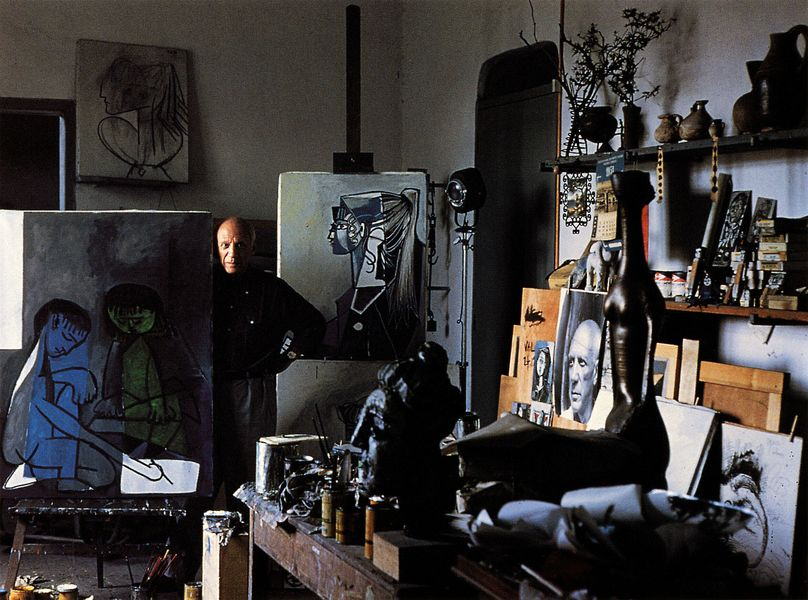
Fine art oft revolves around the search for truth and pregnant in one'southward life. But can a work of art produce the truth? While Plato thought it cannot, Hegel and some other thinkers thought differently. The notion of truth in art is not a thing of authentic representation in an empirical style, but art can express a deeper sense of reality and convey certain knowledge. In Fire and Ice: The Fine art and Thoughts of Robert Frost , the American poet Robert Frost wrote: ' To me the affair that art does for life is to make clean information technology – to strip information technology to form'. Similarly, Pablo Picasso thought that 'art is a lie that makes u.s.a. realize the truth, at least the truth that is given us to understand'. Since artists and their audience share the material world in which they alive, art can contribute to the change of that world and the general sensibilities and attitudes. As Paul Klee wrote in The Inward Vision, 'art does non reproduce the visible; rather, it makes visible'.
Art Shaping The Globe
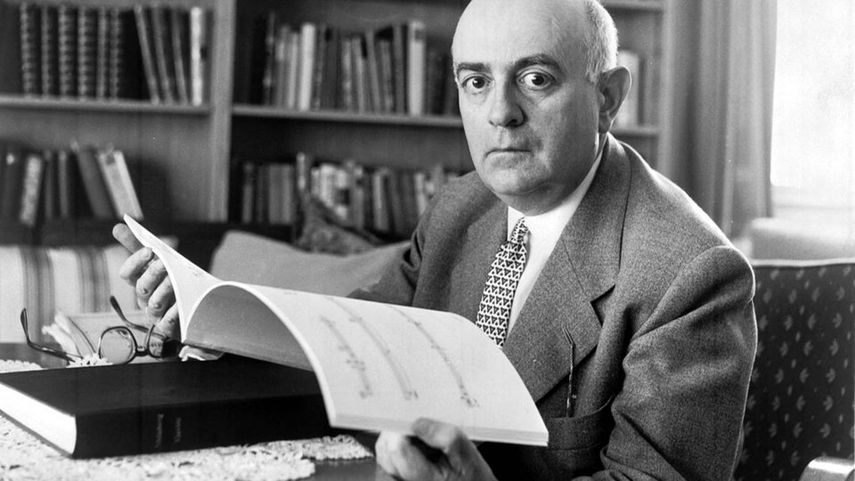
Speaking in Marxist terms, art tin can be understood every bit a office of the superstructure or as part of the material footing. Or in other words, it can be understood as an ideology or every bit technology. Fine art as an credo contributes to the reproduction of the electric current social weather condition, while the art in the cloth basis seeks to change them. Encouraging individuals to recollect outside the limits to which their thoughts are regulated by the systems of ability, art serves to eradicate the 'demystification' present in backer social club. The writings of Marx and Engels on art were both limited and significant, only other Marxist theorists continued to develop the Marxist theory of art. For Adorno, politically engaged art is a partial cosmetic to the bankrupt aestheticism of the majority of mainstream art. Equally he wrote, 'all art is an uncommitted crime', meaning that fine art challenges the status quo by its very nature and engages with an already existing credo and dominant soapbox. Thus, art should exist critical and should interrogate the world, rather than seek to explain it, or equally Brecht wrote: 'Art is not a mirror held upwards to reality just a hammer with which to shape it'.
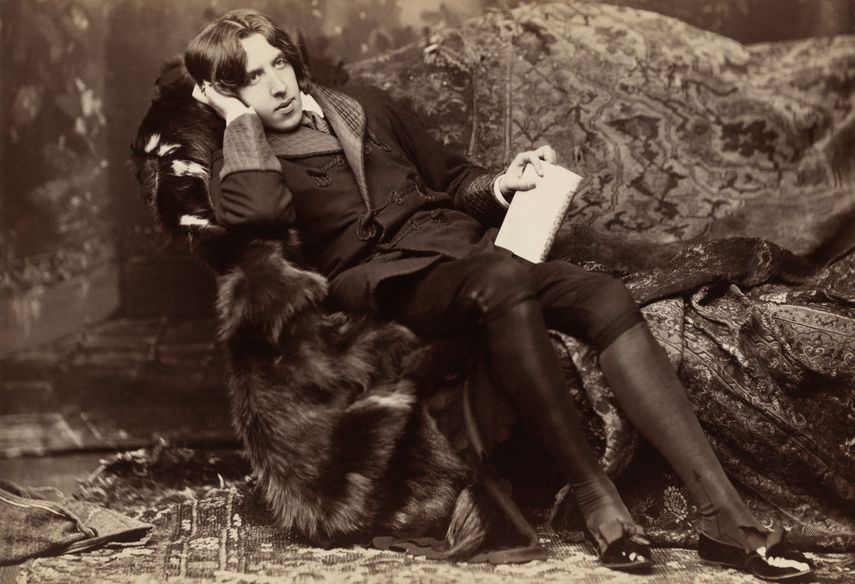
And so, What Is Art?
Whatever fine art is, it is inherent to human being beingness. Dostoevsky wrote: 'Art is as much a demand for humanity as eating and drinking. The need for beauty and for creations that embody information technology is inseparable from humanity and without it man perchance might not want to live on globe. Man thirsts for dazzler, finds and accepts beauty without whatever conditions but only as it is, simply because it is beauty; and he bows down before it with reverence without asking what utilise it is and what one tin purchase with it'. For Nietzsche, 'fine art is substantially the affidavit, the blessing, and the deification of beingness'. Art is a means of coping with the world nosotros live in, our own beingness and making sense of it all. American novelist Saul Blare wrote that 'art has something to do with the achievement of stillness in the midst of anarchy'. On the other hand, for Oscar Wilde, 'art is the nearly intense style of individualism that the world has known'. Art is also an effort at immortality, or as French novelist Andre Malraux wrote, 'art is a revolt, a protest against extinction'. Art is all those things and so many others. Transcending a solipsistic view of life, art has the ability to relate to the world and each other with more integrity, more curiosity, more wholeheartedness. And by doing so, it makes our lives infinitely rich.
Source: https://www.widewalls.ch/magazine/what-is-art
0 Response to "Socrates Plato Quote on the Subject of Copying Others Art"
Post a Comment